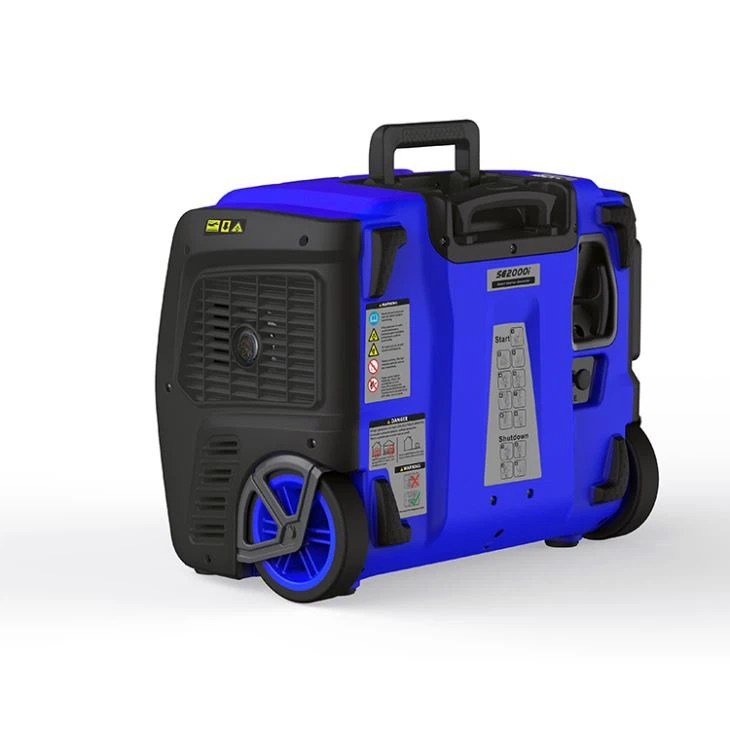
When you picture a generator, you likely hear it before you see it: a roaring engine, a rattling casing, and an exhaust note that screams "emergency power." For decades, that intrusive soundtrack was the trade-off for reliable electricity. But what if you could have power without the pervasive drone? Welcome to the world of quiet generators, where the focus is on Understanding Quiet Generator Technology to transform that cacophony into a mere whisper.
This isn't just about turning down the volume; it's about a fundamental shift in design, engineering, and the very philosophy of portable power. Quiet generators leverage cutting-edge innovations to deliver the electricity you need, whether for camping, a backyard event, or emergency backup, without disturbing the peace or your neighbors.
At a Glance: What Makes a Generator Quiet?
- Inverter Technology: The game-changer. Allows the engine to run at variable speeds, reducing noise and boosting fuel efficiency.
- Acoustic Enclosures: Specially designed casings that absorb and block sound waves.
- Advanced Mufflers: Multi-chambered systems to silence exhaust noise before it escapes.
- Strategic Insulation: Materials like foam and fiberglass placed inside to dampen vibrations and block airborne sound.
- Sound Isolation Mounts: Rubber or spring components that prevent engine vibrations from transferring to the frame.
- Fuel Efficiency: Quieter engines often mean less exhaust and heat, which translates to less noise.
- Diesel vs. Gasoline: Diesel engines generally run at lower RPMs and can be inherently quieter.
The Unwanted Soundtrack: Why Traditional Generators Grate
Before we dive into the hushed world of quiet generators, it’s helpful to understand what we're moving away from. Traditional generators are often utilitarian beasts, designed for raw power output with little regard for noise levels. They typically operate at a constant, high RPM (revolutions per minute) to produce a consistent AC power frequency. This design has several inherent noise generators:
- Exposed, High-RPM Engines: The internal combustion engine, the heart of any generator, is the primary culprit. Without proper shielding, its continuous high-speed operation creates significant mechanical noise.
- Inefficient Exhaust Systems: Traditional mufflers are often basic, doing little to dampen the explosive sounds of combustion as exhaust gases are expelled.
- Vibration Transfer: The engine's vibrations are readily transmitted through the generator's frame, turning the entire unit into a giant sound amplifier.
- Air Intake and Cooling Fans: Engines need air to combust fuel and fans to prevent overheating, both of which contribute to a noisy, constant hum and whoosh.
The result? Noise levels often exceeding 70 decibels (dB), with many traditional models ranging from 67 dB to a jarring 90 dB. To put that in perspective, 70 dB is like a vacuum cleaner running right next to you; 90 dB is akin to a lawnmower or a jackhammer from a few feet away. Sustained exposure to such noise can not only be disruptive but also cause hearing damage and significant discomfort for anyone nearby. It's an issue that limits where and when you can use your power.
The Silence Makers: Core Technologies Behind Quiet Generators
Quiet generators are not just less noisy versions of their predecessors; they are fundamentally different machines. They integrate a suite of advanced technologies, each playing a crucial role in suppressing sound and vibration.
Inverter Technology: The Whisperer's Engine
This is arguably the most significant innovation in quiet generator design. Traditional generators spin their engines at a fixed, high speed (typically 3,600 RPM) to generate the standard 60 Hz AC power. This constant, full-throttle operation, regardless of the actual power demand, is a major source of noise and fuel inefficiency.
Inverter generators, on the other hand, take a smarter approach:
- AC to DC to AC Conversion: The engine first produces high-frequency AC power. This is then converted to DC power, and then an electronic inverter module converts it back to clean, stable AC power at the required 60 Hz.
- Variable Engine Speed: The magic happens here. Because the inverter handles the frequency stabilization, the engine speed can be adjusted precisely to match the load requirements. If you're only powering a few lights, the engine idles down, sipping fuel and producing minimal noise. When you plug in a power tool, the engine revs up only as much as needed.
- Clean Power Output: Beyond the quiet operation, inverter technology produces a "clean sine wave" output, which is crucial for safely powering sensitive electronics like laptops, smartphones, and medical equipment. Traditional generators can have "dirty" power that can damage such devices.
The result of this variable-speed operation is a generator that runs significantly quieter, often dipping into the 50-60 dB range, and uses far less fuel because it's not constantly running at maximum capacity. This makes inverter generators the gold standard for super quiet power.
Acoustic Enclosures: The Soundproof Fortress
Beyond the engine, a quiet generator's exterior plays a vital role. Acoustic enclosures are purpose-built casings designed to contain and neutralize noise. Think of them as high-tech sound boxes.
- Soundproofing Materials: These enclosures are constructed from multi-layered composite panels, often incorporating materials specifically chosen for their sound-absorbing and sound-blocking properties.
- Strategic Design: The internal shape and baffling within the enclosure are optimized to prevent sound waves from escaping directly. Airflow for cooling is carefully routed through serpentine paths, allowing air in and out while trapping sound.
- Thermal Regulation: These enclosures also serve a dual purpose by providing thermal insulation, helping to manage the internal temperature of the generator and protect its components.
Advanced Mufflers: Taming the Roar
Just like in a car, the muffler on a generator is designed to reduce exhaust noise. But in quiet generators, these aren't your average exhaust pipes.
- Multi-Chambered Design: Advanced mufflers use a series of baffles and chambers that force exhaust gases through a convoluted path. This process dissipates the energy of the sound waves, effectively canceling out the high-frequency sounds of combustion before they exit the tailpipe.
- Resonators and Absorptive Materials: Some designs incorporate resonators to target specific frequencies or use sound-absorbing materials within the muffler itself for even greater noise reduction.
- Integrated Components: Many modern quiet generator mufflers also include spark arrestors (critical for fire safety, especially in dry environments) and even catalytic converters to reduce harmful emissions.
Strategic Insulation: Absorbing the Unwanted Buzz
Even with a robust enclosure, internal components can still generate noise and vibration. This is where strategic insulation comes in.
- Vibration Damping: Materials like specialized acoustic foams or high-density fiberglass are carefully placed inside the generator casing. These materials absorb vibrations and prevent them from resonating within the enclosure or transferring to the exterior.
- Airborne Sound Blocking: The insulation also acts as a barrier to block airborne sound waves that might otherwise escape through small gaps or vents. Different materials are chosen for their ability to absorb sound energy at specific frequencies, creating a broad-spectrum noise reduction.
Sound Isolation Mounts: Quelling the Shake
Every internal combustion engine produces vibrations. In a traditional generator, these vibrations can shake the entire unit, turning the casing into a giant speaker. Quiet generators mitigate this with sound isolation mounts.
- Dampening Components: These are typically made from sturdy rubber blocks, springs, or other elastomeric materials. They are strategically placed between the engine, alternator, and the generator's frame.
- Vibration Interception: By inserting these flexible mounts, the vibrations produced by the running mechanisms are dampened and absorbed, preventing them from transferring directly to the outer casing. This not only significantly lowers operational noise but also protects sensitive electronic components from wear and tear caused by constant shaking.
Beyond the Tech: Other Whispering Factors
While the core technologies are pivotal, other design choices contribute to a generator's overall quietness and efficiency.
Fuel Type Considerations
The type of fuel a generator uses can impact its noise profile:
- Gasoline Generators: These tend to operate at higher RPMs, often required by their design to produce consistent power, which can make them inherently louder.
- Diesel Generators: Diesel engines generally run at lower RPMs and often have a more robust construction, which can result in a deeper, less intrusive rumble compared to the higher-pitched whine of many gasoline engines. Larger diesel generators, while powerful, might still be noisy, but smaller, modern diesel inverter generators can be surprisingly quiet.
Fuel Efficiency and Noise
There's a direct correlation between fuel efficiency and quiet operation.
- Less Effort, Less Noise: A more fuel-efficient engine is one that requires less fuel for the same power output. This often means it's working less strenuously, producing less exhaust, and generating less heat – all primary sources of noise.
- Optimized Combustion: Efficient engines often benefit from optimized combustion processes that are inherently smoother and quieter. Therefore, a generator designed for fuel efficiency is often a generator designed for quietness.
Why the Hush Matters: The Real-World Benefits
Moving beyond the technical details, the tangible advantages of quiet generator technology fundamentally improve the user experience and expand the utility of portable power.
- Reduced Noise Pollution: This is the obvious one. A significant drop in decibel levels means a more peaceful environment for you and those around you. No more shouting over the generator!
- Enhanced Comfort and Enjoyment: Whether you're camping under the stars, hosting a backyard BBQ, or working on a job site, a quiet generator allows you to enjoy the moment without constant noise distraction.
- Improved User Experience: Operating a generator becomes less of a chore when you don't have to worry about ear protection or angry neighbors.
- Compliance with Noise Regulations: Many residential areas, campgrounds, and outdoor venues have strict noise ordinances. Quiet generators help you stay compliant, avoiding fines and fostering good relationships.
- Increased Versatility: Because they're less intrusive, quiet generators can be used in a wider range of settings – from remote cabins to suburban homes – making them incredibly versatile.
- Lower Fuel Consumption: Thanks largely to inverter technology, quiet generators often adjust their engine speed to match the load, leading to significant fuel savings over time.
- Reduced Emissions: More efficient combustion and often integrated catalytic converters mean quiet generators produce fewer harmful pollutants, making them a more environmentally responsible choice.
Keeping the Quiet Going: Essential Maintenance for Your Generator
Even the most technologically advanced quiet generator needs regular care to maintain its performance and, crucially, its quiet operation. Neglecting maintenance can lead to increased noise levels and reduced lifespan.
- Oil Changes: Regular oil changes are paramount. Dirty or low oil can cause increased friction, leading to louder engine operation and potential damage. Follow the manufacturer's recommendations for oil type and change intervals.
- Air Filter Cleaning/Replacement: A clogged air filter restricts airflow, forcing the engine to work harder and louder. Clean or replace the air filter regularly, especially in dusty environments.
- Spark Plug Checks: A fouled or worn spark plug can lead to inefficient combustion, resulting in a rougher, louder engine and reduced fuel efficiency. Inspect and replace spark plugs as recommended.
- Fuel System Maintenance: Stale fuel can cause clogs and poor engine performance. Use fresh fuel, consider a fuel stabilizer for storage, and drain the fuel tank if the generator will be unused for extended periods.
- Exhaust System Inspection: Check the muffler and exhaust pipes for any cracks or loose connections. Even a small leak can significantly increase noise output.
- Vibration Mount Checks: Periodically inspect the rubber or spring isolation mounts. Over time, these can wear out or become brittle, reducing their effectiveness and leading to increased vibration and noise. Replace them if they show signs of degradation.
- Cleanliness: Keep the generator's exterior and cooling vents clean. Dust and debris can impede airflow, causing the engine to run hotter and louder.
When Quiet isn't Enough: Exploring Generator Alternatives
While quiet generators offer a fantastic solution for portable power, they aren't the only option. Depending on your needs, location, and environmental priorities, several alternatives can also provide power, often with even less (or no) noise.
- Solar Power: Harnessing the sun's energy via photovoltaic panels is an entirely silent and emission-free way to generate electricity. Ideal for areas with ample sunlight and when your power demands are consistent but not extremely high.
- Wind Power: Small-scale wind turbines can provide clean, quiet power, particularly in locations with consistent wind resources. However, they require significant space and are typically not suitable for residential backyards.
- Electric or Hybrid Vehicles (V2L/V2G): Many modern electric and plug-in hybrid vehicles now offer "Vehicle-to-Load" (V2L) or "Vehicle-to-Grid" (V2G) capabilities. This means you can tap into their large battery packs to power external appliances, offering silent, fume-free operation, albeit with power limits based on the vehicle's inverter.
- Reduced Energy Consumption: Sometimes, the best "alternative" to a generator is simply reducing your need for one. Practicing energy efficiency through smart appliance choices, LED lighting, and mindful habits can significantly lessen your supplementary power requirements during an outage or off-grid living.
Navigating the Rules: Noise Regulations and Your Quiet Generator
Even with the impressive advancements in quiet generator technology, it's crucial to be aware of local noise ordinances. What's considered "quiet" to one person might still be too loud for a sensitive residential area or a strictly regulated campground.
Many jurisdictions have specific laws regulating how loud generators can be, especially during certain hours (e.g., late night or early morning). These regulations often specify maximum decibel levels measured at a certain distance. For instance, a campground might have a 60 dB limit, while a city might only allow generators during power outages for limited hours.
Before purchasing or operating a generator, always check with your local municipality, homeowner's association, or campground rules. Investing in a truly quiet generator helps ensure you comply with these regulations, preserving neighborhood harmony and avoiding potential fines.
The Future is Quieter: Innovations on the Horizon
The journey for quieter power isn't over. Engineers and designers are continually pushing the boundaries of what's possible, exploring new materials, more efficient engine designs, and even smarter electronic controls.
Expect to see ongoing developments in:
- Lighter, More Efficient Enclosures: Using advanced composite materials to reduce weight without compromising sound dampening.
- Smarter Inverter Systems: Even more precise load matching and potentially predictive capabilities to optimize engine speed further.
- Hybrid Power Solutions: Generators integrated seamlessly with battery storage, allowing for periods of completely silent, zero-emission operation when power demands are low.
- Advanced Noise Cancellation: Borrowing technology from headphones, active noise cancellation systems could potentially be integrated to further reduce specific frequencies of generator noise.
The goal is always the same: to make portable power so unobtrusive that you hardly notice it's there.
Your Path to Peaceful Power
Understanding Quiet Generator Technology reveals a commitment to innovation that transforms a necessary utility into a harmonious solution. No longer must you choose between reliable power and peace and quiet. With the right quiet generator, you gain the freedom to power your life, your adventures, and your emergencies, all while keeping the world around you serene.
When considering your next power solution, look beyond just watts and volts. Think about decibels, design, and the overall impact on your experience. Investing in a quiet generator is an investment in comfort, efficiency, and a more peaceful future.