When your generator hums louder than a marching band, it’s more than just an annoyance—it's a problem that can disturb neighbors, interrupt peace, and even signal underlying issues. Tackling excessive noise requires a thoughtful approach, understanding that effective strategies for further generator noise reduction often involve a combination of techniques, not just a single fix. This isn't about silencing your generator entirely; it's about making its presence a whisper, not a roar.
At a Glance: Quieting Your Generator
- Identify Noise Sources: Pinpoint if the noise is coming from engine vibrations, exhaust, air intake, or the casing itself.
- Isolate Vibrations: Use specialized mats and pads to prevent noise transmission through surfaces.
- Muffle the Exhaust: Upgrade or add an effective silencer to reduce the loudest single component of generator noise.
- Manage Airflow: Filter kits for air intake can quietly improve engine breathing.
- Enclose and Insulate: Construct or buy soundproof enclosures lined with acoustic materials.
- Regular Maintenance: Keep your generator tuned and lubricated to minimize mechanical noise.
- Consider Location: Placement significantly impacts perceived noise levels.
- Explore Alternatives: For truly sensitive environments, quieter generator types might be a better fit.
Understanding the Racket: Where Generator Noise Comes From
Before you can quiet a generator, you need to understand why it’s loud. Generators are complex machines, and their noise isn't just one sound; it's a symphony of mechanical, aerodynamic, and exhaust-related clamor.
The primary culprits behind generator noise are:
- Engine Operation: The internal combustion engine produces vibrations as pistons move, crankshafts turn, and valves open and close. These mechanical movements translate into structural noise.
- Exhaust System: Unmuffled, hot gases exiting the engine create powerful sound waves, often the loudest single source of generator noise. Think of a car without a muffler—it's deafening.
- Air Intake & Cooling Fans: Engines need air to combust, and they need cooling to operate efficiently. The rush of air being pulled in, combined with the whirring of cooling fans, adds significant decibels.
- Electrical Components: While often quieter, electrical systems can sometimes contribute a hum or buzz, especially under load.
Each of these sources requires a different approach to mitigation. Trying to solve an exhaust problem with vibration dampeners won't get you far.
Strategic Soundproofing: Tackling Noise at the Source
Effective noise reduction starts with a layered strategy, addressing each major source of sound with targeted solutions.
Grounding the Roar: Vibration Isolation
One of the most overlooked aspects of generator noise is the vibration transmitted directly to the ground or mounting surface. If your generator sits on concrete, that concrete becomes a giant speaker, amplifying every shake and shudder.
- Anti-Vibration Mats and Pads: These are your first line of defense. Products like BXI, Huivlei, or Dkaikai offer robust solutions, often featuring steel-reinforced or solid rubber construction. These pads, typically sized around 4x4x0.8 to 4x4x1 inch, are designed to:
- Dampen Mechanical Vibration: They absorb the kinetic energy from the generator, preventing it from transferring to the floor.
- Distribute Weight: This improves stability and reduces stress on the generator's frame.
- Reduce Noise Transmission: By creating a barrier, they significantly cut down on structure-borne noise.
- Offer Durability: Look for non-slip, oil-resistant, and wear-resistant surfaces, especially for outdoor or heavy-duty applications.
- Location Optimization: Beyond physical products, where you place your generator matters. Positioning it on vibration-dampening mounts or a soft, absorbent surface (like thick rubber pavers) away from inhabited areas minimizes both direct sound and vibration transmission. The farther away, the better, though you’ll need to consider power cable length and safety.
Taming the Blast: Exhaust Noise Reduction
The exhaust is often the loudest part of a generator. Addressing this directly can yield dramatic improvements.
- Upgrading Mufflers/Silencers: Generators come with stock mufflers, but they're often basic. Aftermarket mufflers or silencers are designed with more intricate baffle systems that force exhaust gases to travel a longer, more circuitous path. This diffuses sound waves, causing them to lose energy before exiting. Think of it like a maze for sound.
- Exhaust Extension Silencer Kits: For portable generators, a specialized kit can make a huge difference. The LCGP kit, for example, promises a 50–55% noise reduction. These kits often upgrade muffler grilles with specialized insulation and durable alloy or 304 stainless steel components, making them resilient against heat and corrosion. They effectively guide exhaust gases further away from the engine, allowing for more sound dissipation.
- Adding a Second Muffler: In some setups, you can route the exhaust through an additional muffler, similar to a car's dual exhaust system, for even greater noise reduction. This requires careful consideration of back pressure and ensuring adequate ventilation.
Quieting the Breath: Air Intake and Flow
An engine needs to breathe, but that intake can be surprisingly loud.
- Air Compressor Filter Kits: While often advertised for air compressors, similar filter kits can be adapted for generator air intakes. A four-pack like PATIKIL’s, for instance, claims to muffle intake and exhaust flows, potentially reducing noise by up to 40%. These compact filters are designed to dampen the whoosh of incoming air, and because they're relatively easy to install and replace, they're a practical solution.
- Regular Maintenance: Dirty air filters restrict airflow, forcing the engine to work harder and potentially creating more noise. Regularly cleaning or replacing filters maintains optimal performance and minimizes this source of noise. This is part of the essential maintenance for your portable generator, ensuring it runs efficiently and quietly.
The Full Enclosure: Overall Sound Management
Sometimes, individual component fixes aren't enough. For significant noise reduction, a comprehensive approach is necessary.
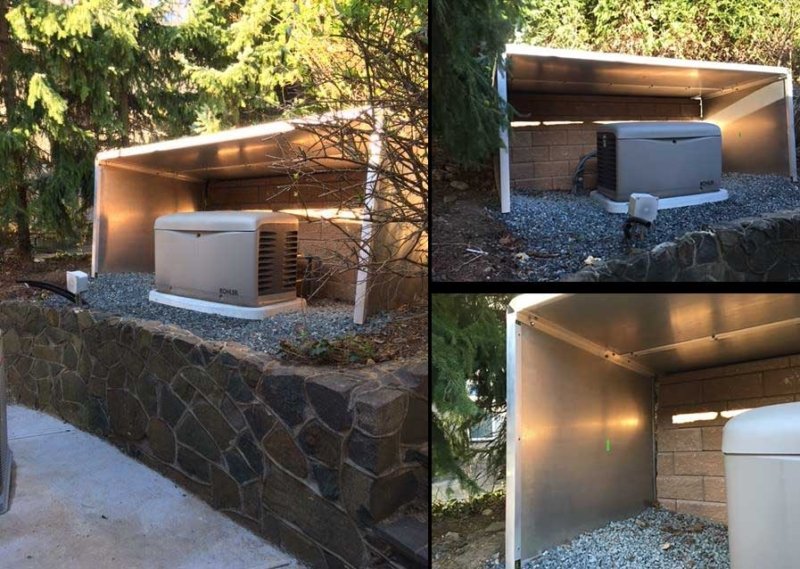
- Soundproof Enclosures: These are perhaps the most effective solution for overall noise reduction. A custom housing made from acoustic foam, fiberglass, or insulated panels creates a barrier around the generator, absorbing and dampening noise emissions before they escape.
- DIY vs. Pre-built: You can build one yourself using materials from a hardware store, or purchase ready-made sound enclosures designed for specific generator models.
- Key Considerations: Proper ventilation is paramount to prevent overheating. The enclosure must have ample air intake and exhaust vents, ideally baffled or offset, to let air flow while trapping sound. Access for maintenance and fueling is also crucial.
- Acoustic Insulation and Absorption Materials: These materials are integral to any effective enclosure. Acoustic foam panels, fiberglass insulation, or mineral wool can be integrated within the enclosure's walls, ceiling, and floor to trap and dissipate sound waves. The denser and thicker the material, the more sound it will absorb.
- Sound Barrier Walls: In larger, industrial settings, or where a generator is permanently installed, constructing dense sound barrier walls from materials like concrete, brick, or specialized acoustic panels can contain noise. These walls physically block sound waves from traveling into sensitive areas.
- Strategic Noise Masking with White Noise: This is a more advanced technique. A device like the Garosa Noise Source generates broadband white noise (e.g., in the 0.001–3000 MHz range). While it doesn't reduce the source noise, it can mask specific, irritating spectral components of the generator's sound, making the overall environment seem less intrusive. It’s versatile for experiments or practical noise masking, allowing for an adjustable noise profile. This isn't about eliminating sound, but making it less noticeable by blending it into a less distracting background hum.
Advanced Strategies and Long-Term Considerations
Beyond direct soundproofing products, several operational and long-term planning strategies can contribute to a quieter power experience.
The Power of Combination: A Layered Approach
No single solution will completely silence a loud generator. The most significant noise reduction comes from a layered approach. Combining:
- Vibration Isolation: Mats and pads to prevent structural transmission.
- Exhaust Suppression: An upgraded muffler or an extension kit.
- Airflow Management: Cleaner filters and potentially baffled intake/exhaust vents within an enclosure.
- Overall Sound Management: A well-designed, acoustically insulated enclosure.
This synergistic approach yields far better results than any single improvement.
The Quiet Benefits of Good Habits: Maintenance and Tuning
A well-maintained generator is often a quieter generator.
- Regular Lubrication: Moving parts create friction, which creates noise. Proper lubrication reduces friction, extending component life and minimizing mechanical sounds.
- Component Replacement: Worn belts, loose bearings, or degraded engine mounts can all contribute to excessive vibration and rattling. Regular inspections and timely replacement of these parts are crucial.
- Engine Tuning: A properly tuned engine runs more efficiently, which often means quieter. Incorrect timing, a rich or lean fuel mix, or fouled spark plugs can lead to rougher operation and increased noise. Adhering to the manufacturer's recommended service schedule is key.
Smart Operations: Remote Monitoring and Load Management
Modern technology offers intelligent ways to reduce noise indirectly.
- Dynamic Load Adjustment: When a generator runs at full tilt, it's loudest. If your power demand fluctuates, consider systems that dynamically adjust the generator's power output to match the current demand. This prevents the generator from needlessly operating at maximum RPM, saving fuel and reducing noise.
- Real-time Monitoring: Remote monitoring allows you to track generator performance, fuel levels, and potential issues. This facilitates timely maintenance, preventing small issues that could become noisy problems, and allows you to optimize run times for quietest operation.
Built to Last, Built to Endure: Durability and Environment
Generator noise reduction components must withstand the elements.
- Corrosion Resistance: For outdoor or damp conditions, prioritize components made with corrosion-resistant materials like 304 stainless steel, alloy composites, or those with durable powder coatings. Steel reinforcement in vibration pads also adds longevity.
- Temperature Tolerance: Exhaust systems and engine enclosures face high temperatures. Ensure any insulation or components used can withstand the heat without degrading or posing a fire hazard.
Keeping it Safe and Legal: Safety and Compliance
Any modification to your generator must prioritize safety and adhere to regulations.
- Proper Ventilation and Clearances: Never compromise airflow to achieve quietness. Overheating is a serious fire hazard and can damage your generator. Ensure all added components allow for proper ventilation and maintain manufacturer-recommended clearances.
- Manufacturer Guidelines: Always consult your generator’s manual before making modifications. Some alterations could void your warranty or create unsafe operating conditions.
- Local Noise Regulations: Before investing heavily, familiarize yourself with local noise regulations in your area. Many municipalities have decibel limits, especially during certain hours. Meeting these regulations should be a primary goal.
Stepping Up: Alternative Technologies
Sometimes, the best noise reduction strategy is to choose a quieter power source from the start. For those looking at [placeholder_link slug="picking the right generator for your needs"], considering generator type early can save a lot of hassle.
- Inverter Generators: These are inherently much quieter than conventional generators due to their advanced engine technology and ability to throttle engine speed based on load.
- Natural Gas Generators: Often quieter and cleaner-burning than gasoline models. They also offer the convenience of continuous fuel supply if connected to a gas line.
- Hybrid Systems: Combining a small generator with battery banks and solar panels can dramatically reduce generator run time, meaning less noise overall. The generator only kicks in when batteries are low or demand is high.
For a deeper dive into quieter options, you might explore The super quiet generator guide.
The Green Bonus: Eco-Friendly Solutions
Integrating sustainability can sometimes offer dual benefits.
- Green Roofs: For permanent, enclosed generator installations in industrial settings, a green roof can provide additional acoustic insulation, absorbing sound, while also offering environmental benefits like improved air quality and reduced urban heat island effect.
- Renewable Energy Sources: Shifting some of your power needs to solar or wind energy reduces reliance on your generator, naturally cutting down on its operating hours and, consequently, its noise. This also contributes to more eco-friendly power solutions overall.
For Immediate Comfort: Personal Protection
While this doesn't reduce noise at the source, it's a critical safety measure for anyone working near a loud generator.
- Earplugs and Earmuffs: Always wear appropriate personal hearing protection, like earplugs or earmuffs, when operating or performing maintenance on a noisy generator. Protecting your hearing is paramount.
Your Path to Quieter Power
Reducing generator noise is a journey, not a destination. It involves understanding the sources, applying targeted solutions, and maintaining your equipment meticulously. Start by identifying the loudest components of your generator and addressing them first. Whether it's a simple vibration mat, a specialized exhaust silencer, or a fully insulated enclosure, each step brings you closer to a more peaceful, yet still powerful, operation. With a thoughtful, layered approach, you can transform your generator from a noisy nuisance into a discreet and reliable power source, ensuring quieter operations for your home, business, or campsite.