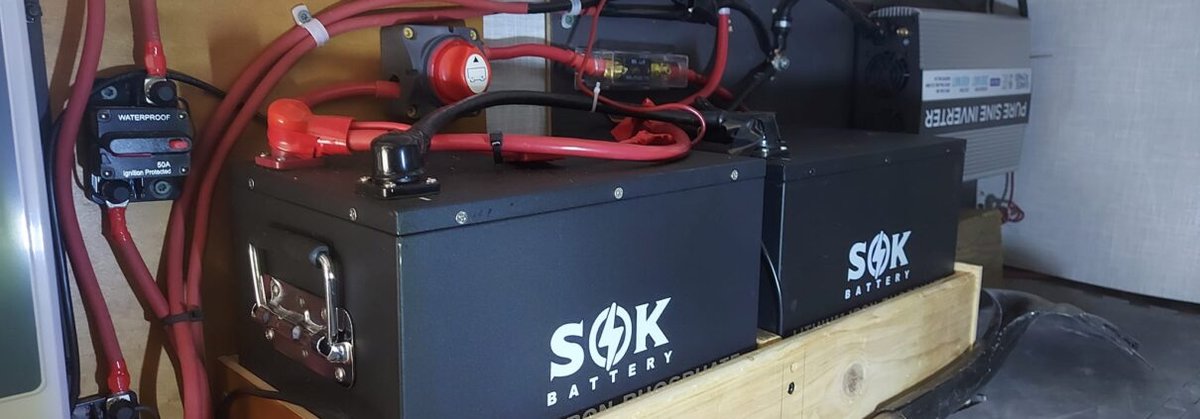
The sudden silence. The flickering lights that finally wink out. Power outages are no longer rare inconveniences; they’re an increasingly common reality, leaving us scrambling for solutions. For too long, the default answer has been a noisy, fume-spewing fuel generator. But what if there was a better way? A way to keep your home humming quietly, cleanly, and reliably? Enter Quiet Portable Power Alternatives (Solar & Battery) – a new generation of backup solutions that are changing the game for homes everywhere.
This isn't just about surviving a blackout; it's about thriving through it with peace of mind. We're talking about smart, sustainable systems that leverage the power of the sun and advanced battery technology to keep your lights on, your food fresh, and your digital life connected, all without the rumble, smell, or constant refueling of traditional options.
At a Glance: Powering Up Your Home Silently
- Move Beyond Fuel: Ditch the gas cans, loud engines, and exhaust fumes for clean, silent electricity.
- Three Main Pathways: Choose from portable power stations for essential devices, solar generators for extended off-grid power, or whole-home battery backups for seamless, automatic coverage.
- LiFePO4 is Key: Modern battery tech offers thousands of charge cycles and enhanced safety, lasting a decade or more.
- Sizing Matters: Match your power station's wattage (output) and watt-hours (capacity) to your specific needs, from charging phones to running refrigerators.
- Eco-Friendly & Economical: Enjoy zero emissions, lower ongoing costs, and potential for energy independence, especially with solar integration.
- Convenience Reigns: Instant power, minimal maintenance, and smart controls mean less hassle during an outage.
Why the Shift? Ditching the Din and Fumes
For generations, the rumble of a gas generator has been the soundtrack of a power outage. While effective, these machines come with a significant cost beyond their purchase price: deafening noise, noxious fumes (posing serious carbon monoxide risks), and the constant need for fuel storage and messy refills. Then there’s the maintenance – oil changes, spark plugs, and monthly exercise runs just to ensure they might start when you need them most.
Today’s homeowner demands more: convenience, safety, and a smaller carbon footprint. This demand has accelerated a fundamental shift from those loud, fuel-powered workhorses to sophisticated, clean, and supremely quiet battery-based backup power solutions. These alternatives – portable power stations, solar generators, and whole-home battery backup systems – redefine emergency preparedness, turning a stressful event into a manageable inconvenience.
Understanding Your Options: The Quiet Power Trio
When exploring quiet portable power alternatives, you'll generally find three distinct categories, each designed to meet different needs and budgets. Think of them as a versatile toolkit, ready to tackle anything from a brief internet hiccup to a multi-day grid failure.
Portable Power Stations: Your Go-To for Essentials
Imagine a super-sized, incredibly versatile power bank for your home. That's essentially a portable power station. These self-contained units house a large rechargeable battery along with an inverter, offering multiple outlets (AC, USB, DC) to keep your essential devices running.
- What they do: Perfect for powering critical small appliances like phones, laptops, Wi-Fi routers, lights, and even mini-fridges during shorter outages.
- The Appeal: They are absolutely silent during operation (save for a quiet internal fan), lightweight enough for easy transport, and boast a variety of ports for simultaneous charging. Recharging is flexible too, via a standard wall outlet, solar panels, or even an EV charger.
- The Catch: While incredibly convenient, they're not designed for heavy-duty loads like central air conditioning or electric water heaters. Choosing the right size is crucial – too small and you'll quickly run out of juice; too large and you're overspending on portability you don't need.
- Best For: Short-duration outages, keeping communication lines open, emergency lighting, or even powering your adventures while camping or RVing. They're a fantastic first step into silent power.
Solar Generators: Harnessing the Sun's Silent Strength
Take a portable power station, add foldable solar panels, and you have a solar generator. This dynamic duo allows you to convert sunlight directly into usable electricity, storing it for when the grid goes dark.
- How They Work: Solar panels capture energy from the sun and feed it into the power station's battery. This stored energy then powers your devices. When the sun is shining, the panels can continuously top off the battery, effectively extending your runtime indefinitely.
- The Appeal: Beyond being silent and emission-free, they offer true fuel independence. As long as there's sunlight, you have a renewable source of power, significantly reducing your reliance on the grid and fossil fuels. Many models allow you to add more panels to boost charging speed.
- The Catch: Their performance is inherently tied to sunlight. Cloudy days, heavy shade, or nighttime means significantly reduced or no generation. The upfront cost is higher than a standalone portable power station, as you're investing in both the battery and the panels. For whole-home power, you'd likely need a larger battery capacity and multiple panels, increasing complexity and cost.
- Actionable Insight: For optimal performance, always position your solar panels for maximum sun exposure. Consider them a primary charging method for your power station, especially during extended outages. It's also vital to ensure the inverter and battery within the power station are correctly sized for the panels you're using. If you're looking for more general options, you can discover super quiet generators that leverage various technologies, including solar.
Whole-Home Battery Backup Systems: Seamless, Silent Power for Your Entire Life
For those who want the ultimate in seamless, invisible backup power, whole-home battery backup systems are the answer. These are not portable units; they are professionally installed directly into your home's electrical panel, acting as an integrated guardian against outages.
- How They Work: When the grid fails, these systems detect the interruption and automatically switch over to battery power, often so quickly you won't even notice a flicker. No manual starting, no extension cords, just continuous power to your critical circuits or even your entire home.
- The Appeal: Completely silent, entirely clean, and utterly effortless. They are scalable, meaning you can add more battery modules as your needs grow. Many come with sophisticated app control for monitoring energy flow, setting preferences, and receiving alerts. They integrate beautifully with existing rooftop solar panels, allowing you to store excess daytime solar energy for use at night or during an outage, further reducing your utility bills.
- The Catch: This level of convenience and integration comes with a higher upfront cost compared to portable systems. Professional installation is mandatory, and older homes might require electrical panel upgrades, adding to the expense.
Battery Power vs. Traditional Generators: A Clear Advantage
The contrast between modern battery alternatives and traditional fuel generators couldn't be starker. For most homeowners, the benefits of quiet, clean power solutions far outweigh the diminishing advantages of their noisy predecessors.
| Feature | Battery Alternatives (Portable, Solar, Whole-Home) | Traditional Fuel Generators |
|---|---|---|
| Fuel | None (AC or solar charging) | Gas, diesel, or propane |
| Noise | Silent (or quiet internal fan noise) | Loud (60-70 dB) |
| Emissions | Zero | CO, fumes, pollution |
| Maintenance | Minimal (occasional checks, app monitoring) | Annual service, oil changes, fuel storage, monthly exercise runs |
| Portability | Many portable options | Mostly fixed (some portable fuel models exist) |
| Runtime | Hours to days, expandable with solar | Fuel-limited runtime |
| Start-up | Instant | Seconds to minutes, sometimes manual |
| The Verdict: Battery alternatives win hands down in terms of noise levels, environmental impact, and sheer convenience. They offer sufficient power for short to medium-length outages and, with solar integration, can extend runtime indefinitely. Traditional fuel generators really only maintain an edge for very long, multi-day outages without any solar charging capabilities, or for highly specialized, extremely high-wattage industrial applications where battery tech isn't yet feasible or cost-effective. For home use, the future is undeniably quiet and clean. |
Diving Deeper: What to Look for in a Portable Power Station
Choosing the right portable power station or solar generator isn't about picking the biggest or most expensive. It's about matching features to your specific needs. Here's what to scrutinize:
Power & Capacity: Sizing Up Your Needs
These two metrics are paramount.
- Maximum Output (Watts): This tells you the total wattage a power station can deliver at any given moment. It dictates how many and what types of devices you can power simultaneously. If your refrigerator pulls 600W and your laptop 60W, you need a unit with at least 660W output. Many units also offer "surge power," a temporary boost for appliances that draw a lot of wattage when they first start up (like power tools or fridges).
- Capacity (Watt-hours - Wh): This indicates how much energy the battery can store and deliver over time. It’s your fuel tank size. To estimate runtime, a simple rule of thumb is Capacity (Wh) ÷ Device Wattage (W) = Approximate Hours of Runtime. For example, a 1000 Wh unit running a 100W light could last about 10 hours. Keep in mind, usable capacity is typically around 85% of the listed watt-hours due to conversion losses.
Battery Technology: LiFePO4 for Longevity & Safety
Modern portable power stations primarily use Lithium Iron Phosphate (LiFePO4 or LFP) batteries. This is excellent news for you.
- Why LiFePO4? They offer significantly longer lifespans, typically >3,000 charge cycles (which can translate to approximately 10 years of use with regular discharge) compared to older lithium-ion batteries (~500 cycles, 3-5 years). Crucially, LiFePO4 batteries are also inherently safer, with greater thermal stability, reducing the risk of overheating or thermal runaway.
Portability & Design: Where Will You Take It?
A "portable" power station's portability varies wildly.
- Size & Weight: Smaller units (e.g., ~300 Wh) can be backpack-sized and weigh less than 10 lbs, ideal for camping or remote work. Larger units (over 100 lbs for substantial capacity) often come with integrated wheels and extendable handles, resembling a robust piece of luggage. Consider where you'll store it and how often you'll need to move it.
Connectivity & Control: Ports, Displays, and Apps
A power station is only as useful as its ability to connect to your devices.
- Ports Galore: Look for a variety of output ports: USB-C (especially higher wattage ones for fast laptop charging), USB-A, standard AC outlets, DC car accessory ports, and even RV outlets on larger units. Check the specific wattage of each port to ensure it meets your fast-charging needs.
- Smart Features: Most modern stations feature clear LED displays showing remaining power, input/output wattage, and estimated runtime. Many also offer smartphone app control (via Bluetooth or Wi-Fi) for remote monitoring, turning ports on/off, and configuring smart charging features.
- UPS Functionality: A significant benefit in many larger power stations is Uninterruptible Power Supply (UPS) functionality. This means you can plug critical devices (like a desktop computer or medical equipment) directly into the power station, which then plugs into the wall. If the grid power fails, the power station instantly switches to battery power, preventing any interruption or data loss.
Noise & Durability: Quiet Operation, Ready for Anything
While they're called "quiet," it's important to understand the nuance.
- Fan Noise: Portable power stations have internal cooling fans that produce some noise, especially when under heavy load or recharging rapidly. However, this noise is comparable to a small fan or a refrigerator's hum – vastly quieter than a gas generator.
- Weather Resistance: If you plan on outdoor use (camping, job sites, etc.), check for an IP (Ingress Protection) rating. For example, an IP65 rating indicates resistance to dust and water spray, making it suitable for light outdoor use, but not submersion.
Beyond the Blackout: Financial & Practical Perks
Investing in quiet portable power alternatives extends beyond emergency preparedness. These systems offer compelling long-term financial and practical benefits that traditional generators simply can't match.
- Lower Ongoing Costs: Once purchased, your fuel costs drop to zero. Paired with solar, your "fuel" is free sunlight. Maintenance is minimal – no oil changes, spark plugs, or costly annual services required. This translates to significant savings over the lifespan of the unit.
- Environmental Impact: With zero emissions during operation, you're actively reducing your carbon footprint. This is particularly true when charging via solar panels, making your backup power truly green and sustainable.
- Increased Home Value: As awareness grows, homes equipped with modern, clean backup power solutions become more attractive to buyers, potentially increasing your property's market value. It's a forward-thinking upgrade.
- Unmatched Convenience: Instant, quiet power delivery eliminates the stress of starting a generator, managing messy fuel, and enduring ear-splitting noise. It's truly "plug and play" for portable units, or completely automatic for whole-home systems, offering unparalleled peace of mind.
Setting Up & Keeping It Running: Installation & Maintenance
One of the often-overlooked advantages of battery alternatives is their simplicity in setup and maintenance compared to fuel generators.
- Portable Power Stations: These are the epitome of "plug-and-play." You charge them from a wall outlet or solar panels, then plug in your devices. Maintenance is minimal: simply keep them charged, check the battery level occasionally, and store them in a cool, dry place.
- Solar Generators: While the power station itself is plug-and-play, setting up the solar panels requires a moderate effort. You'll need to position them correctly for maximum sun exposure and connect them to the power station. Maintenance involves occasional cleaning of the panels and checking the battery's health via the display or app.
- Whole-Home Battery Backups: These require professional installation by certified electricians. The process typically involves integrating the system directly into your home's electrical panel. Maintenance largely consists of firmware updates, app monitoring, and periodic professional checks.
In every scenario, battery alternatives are significantly less demanding to maintain than fuel generators, which require regular oil changes, fuel stabilization, filter replacements, and monthly exercise runs to ensure readiness.
Spotlight on Innovation: Featured Portable Power Stations
To give you a clearer picture of what's available, let's look at some popular and well-regarded portable power stations, highlighting their key specifications and ideal use cases based on current market offerings and performance data.
Bluetti Elite 200 V2
A robust option for essential home backup or extended camping.
- Output/Capacity: Delivers 2,600W continuously (with a 3,900W startup surge), and holds 2,073.6 Wh (about 92% usable).
- Battery: Uses long-lasting LiFePO4 batteries, rated for an impressive 6,000 charge cycles.
- Recharge: Super fast, reaching 0-80% in just 81 minutes and a full 0-100% charge in 107 minutes via AC. It can also take up to 1,000W of solar input.
- Features: Boasts an IP65 rating for dust and water resistance, has 4x AC outlets, and is relatively portable at 53 lbs for its capacity.
- Ideal Use: Excellent for powering camper amenities, running a full-size refrigerator for a day, or keeping critical home circuits online during an outage.
Jackery Explorer 300 Plus
For light duty and maximum portability.
- Output/Capacity: Offers around 300W sustained output and approximately 300 Wh capacity.
- Battery: LiFePO4, rated for 3,000 cycles.
- Recharge: Gets to 0-80% in a swift 76 minutes via AC.
- Features: Extremely light at just 8 lbs and about the size of a lunchbox. Includes 1x AC outlet, 2x USB-C (100W and 15W), and 1x USB-A.
- Ideal Use: Perfect for day trips, charging drones and cameras, remote work for DC devices, or keeping small electronics powered while camping.
EcoFlow Delta Pro 3
A modular giant designed for serious home backup.
- Output/Capacity: A powerhouse with 4,000W output (and 6,000W X-Boost for surges). With one expansion battery, it holds 8,096 Wh and can expand to an astounding 48 kWh for extensive whole-home coverage.
- Efficiency: Offers a high 97% usable power efficiency.
- Features: Highly modular design, 4x AC outlets, 2x 220V outlets, and a 30A RV outlet. It’s heavy (over 113 lbs, closer to 200 lbs with an expansion battery) but includes wheels for maneuverability.
- Ideal Use: Capable of handling basic whole-home backup needs for several days, especially when expanded, rivaling fixed installations.
Jackery Explorer 1000 V2
A solid mid-range option for balanced portability and power.
- Output/Capacity: Delivers 1,500W and slightly over 1,000 Wh capacity.
- Recharge: Can recharge from a wall outlet in under 2 hours.
- Features: Relatively compact with 3x 120V AC outlets, 2x USB-C (30W and 100W), and comprehensive app control via both Bluetooth and Wi-Fi.
- Performance Insight: In testing, it powered a 25 cu ft refrigerator for an impressive 18 hours and 22 minutes.
EcoFlow Delta Pro (Original)
A highly capable unit that set a standard for expandable home backup.
- Output/Capacity: Offers 3,600W (with 4,500W X-Boost).
- Recharge: Fully recharges from 120V AC in 2 hours and 36 minutes, also supporting EV charging and high-wattage solar input.
- Features: Features a detailed display, a polished smartphone app, and can be integrated into a whole-home backup kit with additional units and a transfer switch.
- Performance Insight: Powered a 25 cu ft refrigerator for 51 hours and 24 minutes in tests and impressively held a full charge for over 8 months in storage.
Anker F3800 Plus
Designed for significant home backup power, resembling a mobile power cabinet.
- Output/Capacity: A beast with 6,000W output and 3,840 Wh capacity (with 3,230 Wh actual usable). It’s also expandable.
- Recharge: Achieves 0-80% in less than 2 hours via AC and can take up to 3,200W solar input, meaning it can recharge from direct sun in less than 2 hours.
- Features: Includes 6x AC outlets, an RV port, and a 240V port. Its upright, suitcase-like design with 4 sturdy wheels makes it surprisingly maneuverable despite its 135+ lbs weight.
- Ideal Use: Capable of backing up home essentials for 1-2 days, including heavy-duty appliances.
Anker Solix C300
The ultimate in lightweight, minimalist power for DC devices.
- Output/Capacity: Provides 300W and 288 Wh.
- Recharge: Incredibly fast, reaching 0-80% in just 1 hour via its dual 140W USB-C inputs.
- Features: The smallest and lightest unit tested at just 6.3 lbs. It's primarily DC-only, with 4x USB-C and 2x USB-A ports, plus a built-in lamp.
- Ideal Use: Perfect for ultralight camping, remote work where you're primarily charging laptops, tablets, and phones, or any scenario where weight and size are paramount.
Making Your Choice: A Path to Silent Power Security
The world of power backup has evolved dramatically, moving away from noisy, polluting machines towards sophisticated, silent, and sustainable alternatives. Whether you opt for the grab-and-go convenience of a portable power station, the renewable independence of a solar generator, or the seamless protection of a whole-home battery backup system, you're investing in more than just electricity; you're investing in peace of mind.
To make your best choice, start by listing your absolute essential devices and their power draw. Consider how long you realistically need to power them and what your budget allows. From there, the quiet, clean future of home power is ready and waiting to serve you. No more roaring engines, no more fuel runs – just the quiet hum of modern innovation, keeping your home comfortable and connected through any outage.