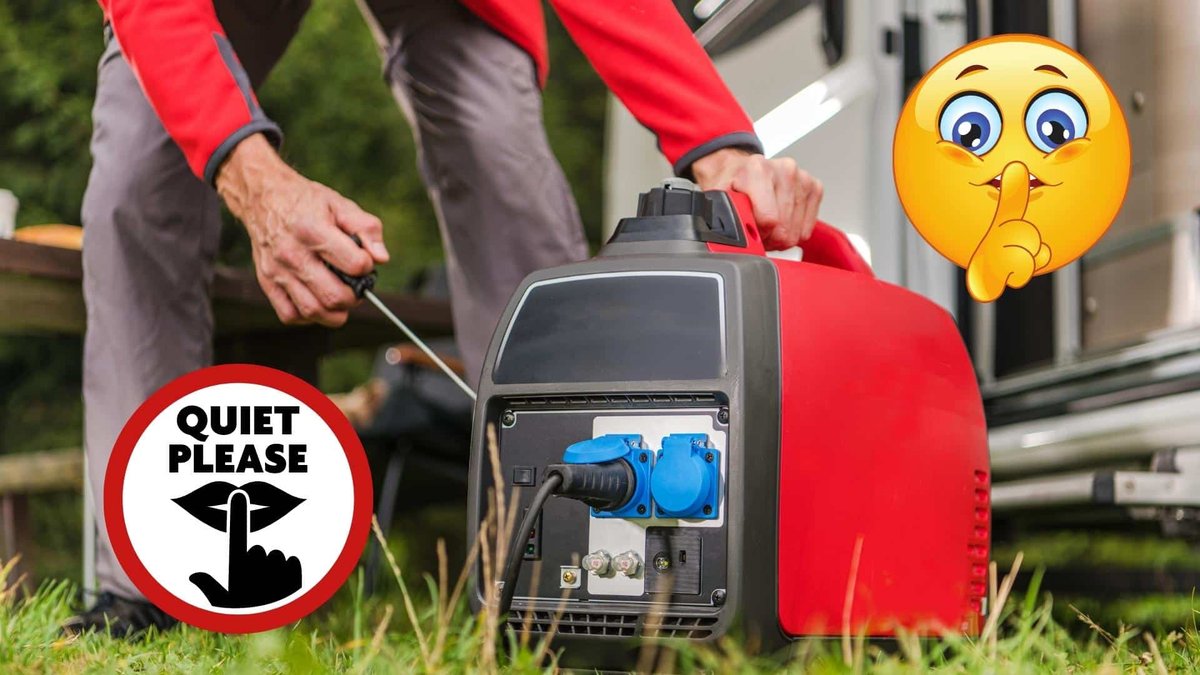
When you're out camping under the stars or weathering an unexpected power outage, a quiet generator is often your best friend. It hums along, providing reliable power without disrupting the peace, making it a crucial part of any setup where silence is golden. But even the best quiet generators won't stay whisper-quiet and dependable forever without a little TLC. That's why Maintenance & Troubleshooting for Quiet Generators isn't just about keeping them running—it's about preserving that precious tranquility and extending the life of your investment.
Neglecting your quiet generator can turn that gentle hum into a frustrating sputter, or worse, a complete breakdown. These machines, packed with noise-reducing technology like sound-insulated casings, advanced mufflers, and optimized engine designs, require specific attention to keep their intricate systems performing at their peak. Think of it as caring for a high-performance vehicle; consistent, preventative maintenance is the key to silent operation and reliable power, ensuring your experience remains optimal, whether it's powering your RV or providing emergency backup.
At a Glance: Keep Your Quiet Generator Purring
- Regular Checks are Non-Negotiable: Perform maintenance even if used infrequently to prevent common issues.
- Safety First, Always: Disconnect the spark plug, power off, and use original parts before any work.
- Oil is Life: Change engine oil every 50-100 hours or at least once a season for reduced friction and noise.
- Breathe Easy: Inspect and replace air and fuel filters monthly to maintain efficiency.
- Spark Up Reliability: Check spark plugs seasonally and replace annually for smooth starts.
- Cleanliness Counts: Keep both external and internal components free of dirt and debris to prevent overheating and noise.
- Listen Closely: Unusual noises like rattling or hissing are early warnings of potential problems.
- Storage Matters: Store in a dry place, consider fuel stabilizer for extended periods, and run monthly.
- Document Everything: Maintain a log of all maintenance tasks to stay on schedule.
The Whisperers' Secret: Understanding Your Quiet Generator
Quiet generators are a marvel of modern engineering, designed to offer power without the cacophony often associated with traditional models. Their secret lies in specialized features that actively combat noise. We're talking about robust sound-insulated casings that trap engine noise, advanced mufflers that dampen exhaust sounds, and engine designs optimized for quieter operation. Many are also built for portability, boasting lightweight, compact designs that make them easy to transport to campsites, job sites, or wherever power is needed. Add in multiple power outlets, USB ports, and often solar panel compatibility, and you have a truly versatile tool.
But here’s the catch: these sophisticated features, while delivering exceptional quietness, also mean that regular upkeep is even more critical. Each component plays a role in maintaining that delicate balance of power and peace. Ignore one part, and the whole system can suffer, potentially leading to increased noise or decreased performance.
The Golden Rule: Why Regular Care Isn't Optional
It's tempting to think that if your generator isn't used often, it doesn't need much attention. This couldn't be further from the truth, especially for a quiet generator. Infrequent use can be just as detrimental as heavy use, leading to issues like oil contamination, sticking regulators, or porous hoses. Manufacturer specifications, typically found in your operating instructions, detail precise maintenance schedules, often recommending checks at least once a year or every 400 hours of use, whichever comes first. Sticking to this schedule is paramount for keeping your generator's noise levels down and its lifespan long.
Safety First, Always: Before you even think about touching a wrench or a rag, make sure safety is your top priority. Always:
- Switch off the generator: Ensure the engine is completely off and cool.
- Disconnect the spark plug connector: This prevents accidental starts while you're working on the machine.
- Use original replacement parts: Aftermarket parts might seem cheaper, but they can compromise performance, safety, and your generator's quiet operation.
- Work in a well-ventilated area: Especially when dealing with fuel or fumes.
Your Generator's Lifeline: A Step-by-Step Maintenance Guide
Taking a proactive approach to your quiet generator's care can save you headaches and costly repairs down the road. Let's walk through the essential tasks that will keep your unit humming quietly and efficiently.
Keep the Engine Humming: Routine Operation
Even when not powering your essentials, your generator needs to stretch its legs. Operating it for 5-10 minutes during maintenance, or even monthly, helps circulate engine oil, preventing degradation and ensuring all components function as they should. This brief run-time also allows you to listen closely for any unusual sounds – a subtle knock, a sputter, or an unfamiliar hiss – which can be early indicators of a problem brewing beneath the casing.
The Heart of the Machine: Oil Changes for Smooth Performance
Engine oil is the lifeblood of your generator, lubricating components, reducing friction, and critically, minimizing operational noise. Dirty or degraded oil can lead to increased wear, overheating, and a significant uptick in noise output.
- When to Change: Aim for an oil change every 50-100 hours of use or at least once a season. If you've been on a dusty trip or using it extensively, consider changing it sooner.
- How to Change: Consult your owner's manual for the exact procedure and location of the drain plug. Always use the manufacturer-recommended oil type and weight. This small detail can make a big difference in engine health and quiet operation.
- Impact on Noise: Clean, fresh oil ensures components move smoothly, preventing metal-on-metal friction that translates directly into unwanted noise.
Breathing Easy: Air and Fuel Filter TLC
Filters are your generator's lungs and digestive system. A clogged air filter restricts airflow, forcing the engine to work harder, consume more fuel, and inevitably, become louder. Similarly, a clogged fuel filter starves the engine, leading to inefficiency and potential damage.
- Monthly Inspection: Check both filters monthly, especially after outings in dusty or dirty environments.
- Replacement: Replace filters as needed. Air filters can sometimes be cleaned with compressed air, but replacement is often the best course for optimal performance. Fuel filters are typically replaced, not cleaned.
- Result: Keeping these filters clean ensures proper fuel delivery and optimal airflow, directly contributing to consistent power output and quieter operation.
Igniting Efficiency: Spark Plug Checks and Swaps
Spark plugs are crucial for a smooth-running engine. A worn or dirty spark plug can lead to difficult starts, uneven combustion, misfires, and an overall increase in operational noise due to inefficient burning of fuel.
- Seasonal Inspection: Inspect your spark plugs seasonally. Look for signs of wear, carbon buildup, or damage to the electrode.
- Annual Replacement: Plan to replace spark plugs annually, even if they appear okay. This is a small investment for reliable starting and consistent power.
- Gap Check: Ensure the electrode gap is correct using a feeler gauge, according to your manufacturer's specifications. An incorrect gap can lead to weak sparks and poor engine performance.
More Than Skin Deep: The Power of Cleanliness
Dirt, dust, and debris are silent enemies of your generator. Buildup on the engine exterior acts as an insulator, leading to overheating, which can strain components and increase noise. Internally, debris can obstruct moving parts or cooling vents.
- Frequent External Cleaning: Use a soft brush or cloth to clean the engine exterior regularly.
- Internal Vacuuming: As per the manual, periodically vacuum internal components to remove dust and debris. Pay attention to cooling fins and vents.
- Outcome: A clean generator runs cooler, more efficiently, and quieter, as there's less material to interfere with cooling or create friction points.
Silencing the Roar: Exhaust System Vigilance
The exhaust system is a primary component in your quiet generator's noise reduction efforts. Any damage here can instantly negate its quiet design.
- Regular Inspection: Look for cracks, rust, loose connections, or obstructions in the exhaust system.
- Prompt Repair/Replacement: Any damage can lead to exhaust leaks, which not only increase noise but can also pose a safety hazard duealling to carbon monoxide leaks. Repair or replace compromised parts immediately.
- Benefit: A well-maintained exhaust system ensures effective noise suppression and safe operation.
Powering Up: Battery Health for Reliable Starts
If your quiet generator has an electric start, its battery is critical. A weak or corroded battery can make starting a nightmare.
- Visual Inspection: Regularly check battery terminals for corrosion, which often appears as a white powdery substance.
- Cleaning & Tightening: Clean any corrosion using a wire brush and a baking soda/water solution. Ensure all connections are tight.
- Voltage Test: Use a multimeter to test battery voltage. If it's low, recharge it. If it fails to hold a charge after recharging, it's time for a replacement.
- Quiet Connection: A healthy battery ensures consistent power delivery for starting, preventing the strain and sputtering that can cause loud, difficult start-ups.
Hushing Vibrations: Strategic Placement and Dampening
While not a mechanical maintenance task, managing vibrations is key to a quiet generator's overall performance. Noise isn't just engine sounds; it's also the transfer of vibrations to the ground or surrounding structures.
- Vibration Isolators: Place rubber pads or specialized vibration isolators under the generator to absorb tremors and minimize noise transfer.
- Level Surface: Always operate your generator on a stable, level surface. Uneven ground can exacerbate vibrations.
- Strategic Placement: Position the generator away from sleeping areas or sensitive zones to maximize its quiet benefits. Even a few feet can make a significant difference.
Your Generator's Memoir: The Essential Maintenance Log
Keeping track of your generator's history is incredibly important for ensuring consistent upkeep.
- Digital or Analog: Whether it's a simple notebook or a digital file, maintain a log of all maintenance tasks.
- Detail is Key: Record oil changes, filter replacements, spark plug inspections, and any repairs. Note the date and hours of operation.
- Proactive Care: A clear log helps you anticipate upcoming maintenance, ensuring critical upkeep activities are never missed, which in turn preserves your generator's performance and quiet nature.
When Things Get Noisy: Troubleshooting Common Generator Woes
Even with the best maintenance, sometimes issues arise. Knowing how to troubleshoot common problems can help you quickly identify and resolve them, getting your quiet generator back to its silent, efficient operation.
Decoding Unusual Sounds
Your quiet generator should produce a consistent hum, not a symphony of strange noises.
- Rattling, Popping, Hissing: These sounds are red flags. Rattling might indicate loose parts; popping could signal an ignition issue or exhaust leak; hissing often points to a vacuum leak or a crack in the exhaust system.
- Immediate Action: Identify the source of the noise immediately. A loose bolt can be tightened, but internal damage might require a professional. Addressing these sounds promptly can prevent minor issues from escalating into major, costly repairs.
The Silent Treatment: When Your Generator Won't Start
A generator that refuses to start is a common and frustrating problem.
- Fuel First: Is there enough fuel? Is it fresh fuel, or has it been sitting too long? Stale fuel can gum up the carburetor.
- Battery Check: For electric start models, check the battery charge. A low battery is a frequent culprit.
- Spark Plugs: Inspect the spark plugs. Are they clean and correctly gapped?
- Owner's Manual: Always consult your owner's manual. It often has a dedicated troubleshooting section for starting issues.
Flickering Power: Addressing Inconsistent Output
If your devices aren't getting consistent power, or if the generator seems to struggle under load, it's time to investigate.
- Connections: Check all power connections to ensure they are secure and not loose.
- Capacity Overload: Ensure you're not trying to draw more power than the generator's rated capacity. Overburdening a generator can cause it to work harder, make more noise, and potentially damage internal components.
- Fuel/Air Filters: As discussed, clogged fuel or air filters can lead to inconsistent power delivery.
Scent of Trouble: Detecting and Fixing Fuel Leaks
The smell of gasoline is a clear indicator of a fuel leak, which is both dangerous and wasteful.
- Visual Cues: Look for puddles beneath the generator, wet casings, or a strong, pungent smell of fuel.
- Common Causes: Fuel leaks often stem from worn fuel lines, loose connections, or a cracked fuel tank.
- Immediate Repair: Replace any damaged lines, tighten loose connections, or repair/replace a cracked tank promptly. Fuel leaks are a fire hazard and should never be ignored.
Struggling to Breathe: Clogged Air Filters
Beyond just making your generator noisy, a clogged air filter has several tell-tale signs.
- Symptoms: You might notice decreased power output, increased fuel consumption, the engine struggling or sputtering, or even overheating.
- Solution: Clean the air filter with compressed air if it's a reusable type, or replace it entirely if it's too dirty or disposable.
Grease Underfoot: Identifying and Repairing Oil Leaks
Oil leaks are messy and can lead to serious engine damage if not addressed.
- Indicators: Look for oil puddles under the generator or greasy spots on engine parts.
- Typical Sources: Worn gaskets or seals, loose bolts, or a cracked oil pan are common culprits.
- Diagnosis and Repair: Identify the source of the leak and repair or replace the problematic parts. Maintaining proper oil levels is vital for lubrication and quiet operation.
Beyond Your Expertise: When to Call a Pro
Sometimes, problems are complex or beyond your comfort level to repair.
- Persistent Problems: If you've tried the common troubleshooting steps and the issue persists, it's time to seek professional help.
- Manufacturer or Technician: Consult a certified professional technician or contact the generator manufacturer for guidance. They have the specialized tools and knowledge to diagnose and fix intricate internal issues without compromising the generator's quiet design.
Smart Storage: Protecting Your Investment Between Adventures
Proper storage ensures your quiet generator is ready to go whenever you need it, preventing issues that arise from neglect during downtime.
- Clean and Dry: Always store your generator in a clean, dry location, such as a shed or garage. This protects it from moisture, dust, and debris, which can cause corrosion and other damage.
- Monthly Run: Even during storage, it's wise to run the generator for a short period (e.g., monthly). This circulates fuel and lubricants, helping prevent the carburetor from gumming up and ensuring seals remain pliable.
- Fuel Management: For extended storage (over a month), you have two main options:
- Drain the fuel tank completely: Run the engine until it sputters out, ensuring all fuel is out of the carburetor.
- Use a fuel stabilizer: Add a fuel stabilizer according to the manufacturer's recommendations. This prevents fuel degradation and gumming in the fuel system.
- Protective Cover: Use a durable, weather-resistant cover to shield the unit from dust, moisture, and accidental bumps.
The Dividends of Diligence: Why Maintenance Pays Off
Investing time in regular maintenance for your quiet generator yields significant returns, far beyond just keeping it quiet.
- Early Detection, Cost Savings: Regular checks allow for early detection of minor damage, which is always more cost-effective to repair than dealing with a major breakdown.
- Extended Lifespan: A well-maintained generator will simply last longer, providing years of reliable service.
- Maximized Reliability & Efficiency: Consistent care ensures your generator delivers continuous power efficiently, meaning less fuel consumption and consistent performance.
- Operational Readiness: You can trust that your generator will start and perform flawlessly when you need it most, whether for recreation or emergencies.
- Environmental Protection: Efficient operation means less pollution. Proper maintenance reduces harmful emissions, making your generator more eco-friendly.
Quiet Power in Action: A Look at Jackery Solar Generators
When discussing quiet generators, it's worth highlighting innovative solutions like Jackery solar generators. These units are notable for their supreme portability, silent operation (as they run on batteries), and eco-friendliness.
For instance, the Jackery Solar Generator 300 Plus features a 288Wh battery capacity, weighs a mere 11 lbs, and operates at a whisper-quiet 45dB—a testament to how quiet modern power solutions can be. It's also compatible with Jackery SolarSaga 40W Solar Panels for recharging. For those needing more juice, the Jackery Solar Generator 500 combines the Jackery Explorer 500 Portable Power Station with SolarSaga 100W Solar Panels. It offers a 518Wh battery capacity and an ultra-quiet noise level of less than 37.9dB, making it ideal for powering small devices, RVs, and critical emergency situations. While solar generators have different internal mechanics than traditional fuel-powered ones, their maintenance focuses on battery health, panel cleanliness, and connection integrity, ensuring they too deliver reliable, silent power. For those interested in minimizing noise even further, learn more about super quiet generators and the technologies that make them possible.
Going the Extra Mile: Advanced Tips & Resources for Longevity
To truly master the art of quiet generator maintenance, consider these additional insights and resources.
- Regular Load Testing: Don't just run your generator idly. Periodically connect devices that draw near its rated capacity to confirm it can handle real-world loads. This helps identify power inconsistencies under stress.
- Environmental Considerations: Be mindful of extreme temperatures. Avoid running your generator in scorching heat or freezing cold for extended periods without proper ventilation or insulation, as this can affect performance and accelerate wear.
- Documentation Hub: Keep all owner's manuals, warranty information, and your maintenance records organized in one accessible place. This is invaluable for troubleshooting or when seeking professional help.
- Community Knowledge: Join online camping forums, generator user communities, or manufacturer groups. These platforms are rich with valuable insights, tips, and shared experiences from other users, often providing practical solutions you might not find in a manual.
- Digital Tools: Consider embracing modern solutions for maintenance tracking. Mobile apps like Lumiform can streamline your generator maintenance by replacing paper checklists, generating real-time data, automating reports, and improving communication if you have multiple users or service providers. This digital approach ensures nothing is overlooked and provides a comprehensive historical record.
Your Next Steps to Silent, Reliable Power
Maintaining your quiet generator isn't a chore; it's an investment in uninterrupted peace and power. By diligently following these guidelines—from seasonal oil changes to smart storage and proactive troubleshooting—you're not just preventing breakdowns; you're actively ensuring your generator delivers on its promise of reliable, whisper-quiet operation. Take the information you've gathered here, consult your owner's manual, and commit to a consistent maintenance schedule. Your future self, enjoying the serene hum of a perfectly running generator, will thank you.